Dyslexia Services
What is Dyslexia ?
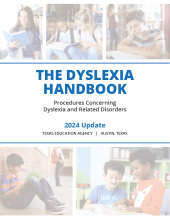
Dyslexia is a specific learning disability that is neurobiological in origin. It is characterized by difficulties with accurate and/or fluent word recognition and by poor spelling and decoding abilities. These difficulties typically result from a deficit in the phonological component of language that is often unexpected in relation to other cognitive abilities and the provision of effective classroom instruction. Secondary consequences may include problems in reading comprehension and reduced reading experience that can impede growth of vocabulary and background knowledge.
Adopted by the International Dyslexia Association Board of Directors, November 12, 2002
Characteristics of dyslexia?
Primary reading/spelling characteristics of dyslexia are difficulties with:
Reading words in isolation
Accurately decoding unfamiliar words
Oral reading (slow, inaccurate, or labored without prosody)
Spelling
Individuals demonstrate differences in degree of impairment and may not exhibit all the characteristics listed above.
The reading/spelling characteristics are most often associated with:
Segmenting, blending, and manipulating sounds in words (phonemic awareness)
Learning the names of letters and their associated sounds
Holding information about sounds and words in memory (phonological memory)
Rapidly recalling the names of familiar objects, colors, or letters of the alphabet (rapid naming)
Consequences of dyslexia may include:
Variable difficulty with aspects of reading comprehension
Variable difficulty with aspects of written language
Limited vocabulary growth due to reduced reading experiences